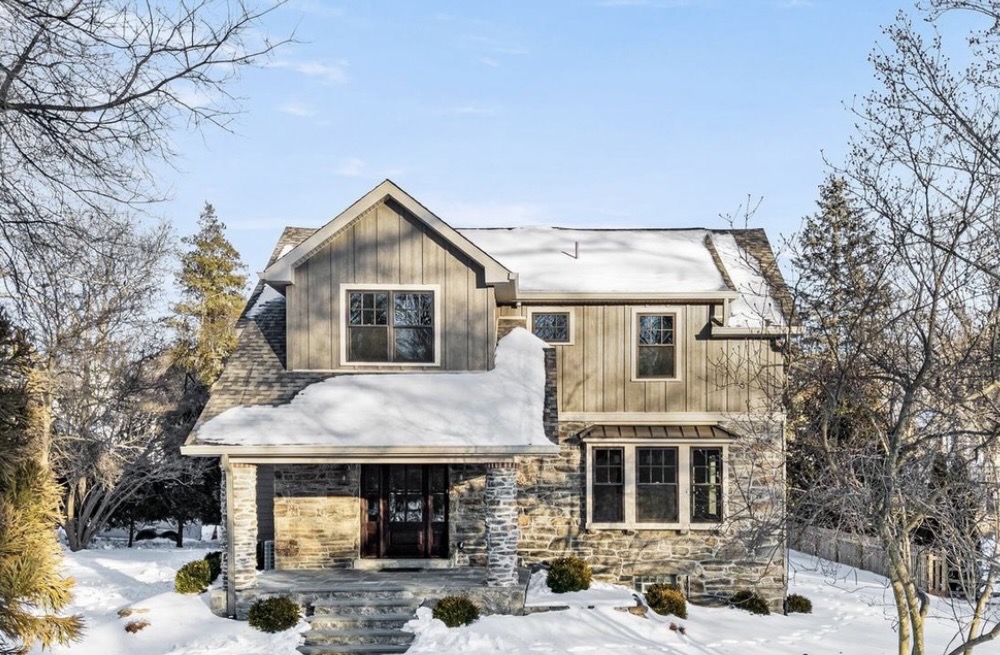
Housing costs have surged over the past two decades. The median home price is now six times the median income, up from four or five times just twenty years ago. Rents have climbed too, and today more than 60% of moderate-income renters are “cost-burdened,” meaning they spend over 30% of their paycheck on housing. This used to be a coastal-city problem, but it’s now spreading across the entire country, from rural towns to mid-sized metros across America and in places all over the world.
Several forces are driving this crunch. America simply hasn’t built enough homes, in fact, it’s the only major country where housing stock grew slower than its population between 1995 and 2020. Despite this recent administration trying to change that, strict local zoning laws still block denser development, older Americans are staying in their homes longer and living longer, and millennials are forming new households at a faster pace than ever. All of that adds up to too many buyers chasing too few homes.
The pandemic and rising interest rates then poured fuel on the fire. Remote work drove people from expensive cities into previously affordable towns, pushing prices up everywhere. Meanwhile, mortgage rates shot from 3.5% to nearly 8% by late 2023, making monthly payments brutal, especially for first-time buyers who have no existing home equity to lean on.
The consequences are real: homelessness is rising, families are stretching their budgets thin, and people are being pushed further from jobs and opportunity. Without more homebuilding and smarter zoning policies, the squeeze is likely to continue. I continue to try and find relevant information that shows an attempt to improve conditions in American for my generation and those before me. Please follow for more info.
Until Next time,
Lila
 Quest4Home
Leave a comment